After graduating, I discovered that my parents had handed the family business over to my older sister. My mother told me, “You’re only good at manual labor, not using your head,” so I immediately stopped working 60 hours a week for free. When my father called our biggest client…
I graduated believing I’d finally earned my place in our family business.
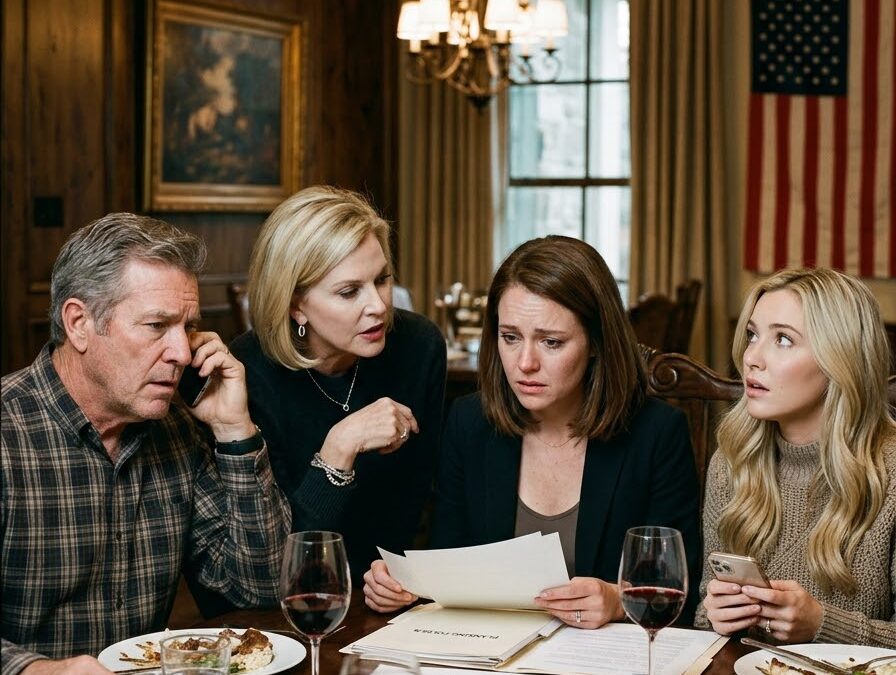
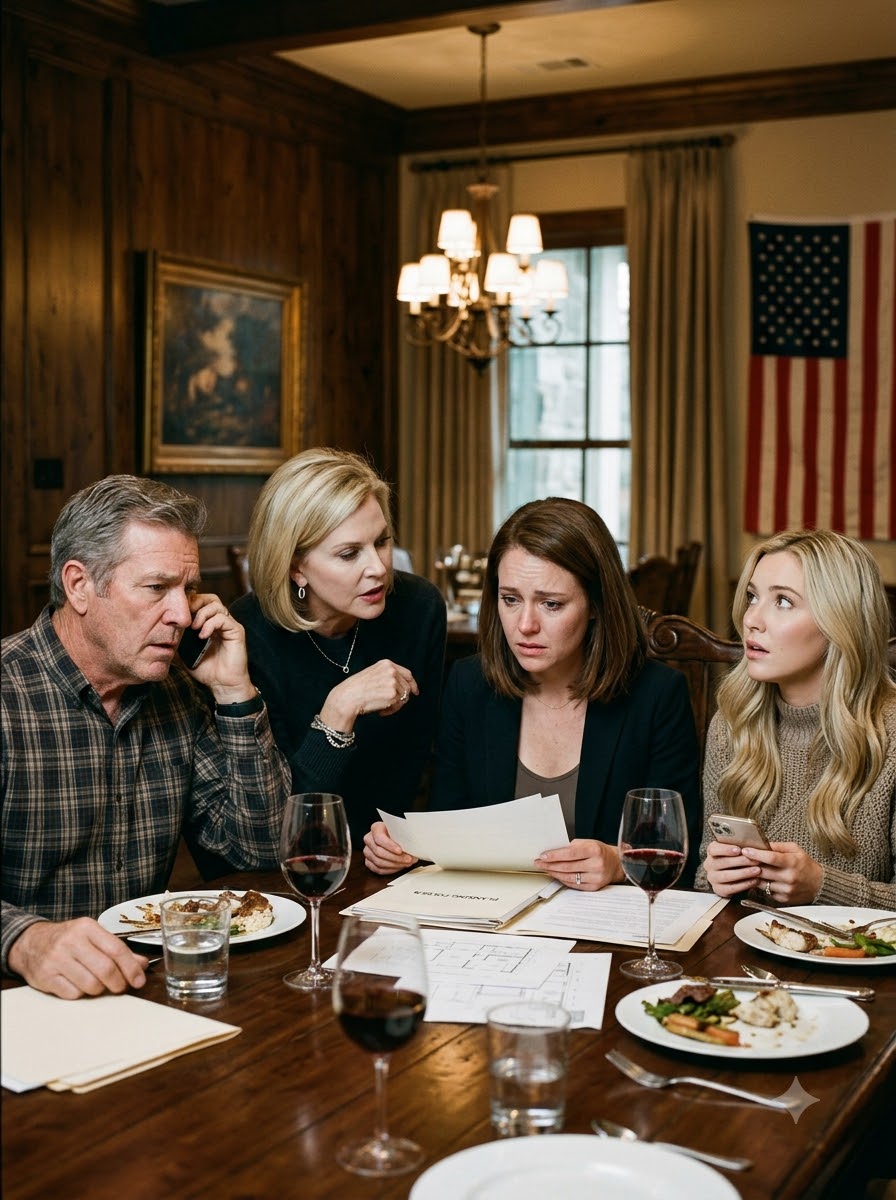
Instead, I opened a folder and learned my parents had handed everything to my sister.
When I asked why, my mom didn’t hesitate.
She said I was only good with my hands, not my brain.
Years of 60-hour weeks unpaid suddenly made sense.
That was the day I stopped giving them my labor.
And that decision triggered a phone call from my dad about our biggest client that changed everything.
Before I tell you how it unfolded, tap like and comment where you’re listening from, especially if you’ve ever been erased by family.
My name is Amanda Hartman, and for as long as I can remember, my value in this family was measured by how early I showed up and how late I stayed.
Our workshop sat on the edge of a busy Texas city, tucked between warehouses and a stretch of road that smelled like asphalt after rain.
To outsiders, it looked like a proud family operation.
Inside, it ran on quiet hierarchies no one ever said out loud.
My father liked to talk about legacy.
He said it while running his fingers over finished surfaces, while nodding at framed photos of past projects on the wall.
My mother talked about image.
How things looked.
How they landed.
How people perceived us.
Between the two of them, the future was always discussed as if it already belonged to someone else.
That someone was my younger sister, Lily.
Lily never smelled like sawdust.
She showed up polished.
Hair perfect.
Clothes untouched by work.
When clients visited, she floated through the showroom with a smile that photographed well.
My parents watched her like she was proof they’d done something right.
When they looked at me, it was different.
I was already assigned.
Already placed.
I learned early not to argue.
When I was a teenager, weekends meant cleaning, sanding, packing.
While other kids talked about trips and lessons, I learned the weight of raw material and how to fix mistakes no one else wanted to own.
My hands cracked every winter.
The skin never fully healed.
My parents called it learning responsibility.
I called it survival.
By the time I finished college, I thought things might shift.
I came back with knowledge I believed mattered.
Systems.
Logistics.
Ways to keep everything from breaking when pressure hit.
I imagined sitting in meetings, not just standing at benches.
I imagined being asked.
Not told.
Instead, nothing changed.
I worked harder than ever.
Long days bled into longer nights.
Sixty hours wasn’t unusual.
Payment was always delayed or explained away.
“It’s for the business,” my parents said. “It’ll come back to you.”
I wanted to believe them.
I needed to.
What hurt wasn’t the work.
It was the silence around it.
When projects succeeded, Lily’s name was mentioned.
When problems appeared, they landed in my lap without discussion.
My mother once watched me load materials into my truck and said, almost kindly, “You’re lucky you’re good with your hands. Not everyone has that.”
She meant it as reassurance.
I heard it as a limit.
Still, I stayed.
Because when you grow up being useful instead of chosen, you learn to confuse endurance with love.
And at that point, I didn’t yet realize how carefully my role had already been decided.
By the time I realized something was wrong, it wasn’t because anyone said it out loud.
It was the small shifts.
The kind you only notice when you’ve been standing in the same place for years.
Meetings started happening without me.
Nothing dramatic.
Just conversations that paused when I walked in, then resumed later behind closed doors.
Decisions about suppliers were suddenly already handled.
Client calls I used to take went unanswered until Lily looped herself in and replied with carefully worded messages that sounded impressive but said very little.
Meanwhile, my workload grew heavier.
I was the one fixing rushed orders, smoothing out mistakes before they reached clients.
When materials arrived late, I reworked schedules.
When a piece didn’t come out right, I stayed after hours until it did.
Sixty-hour weeks blurred into each other.
Some nights, I drove home with my hands aching so badly I had to sit in the truck for a minute before turning the key, just letting the engine idle while the pain settled.
Pay was always coming.
That word started to feel hollow.
If I asked, my father would sigh and say cash flow was tight.
My mother would remind me that sacrifices were part of building something meaningful.
Lily never joined those conversations.
She didn’t have to.
She came in midday sometimes with a photographer.
Sometimes just her phone held high.
She’d walk past workbenches like they were props, smile, snap a few shots, then disappear.
Later, I’d see the posts.
Polished captions.
Talk of craftsmanship.
People praising her vision.
My parents shared every single one.
Once, I suggested a change to how we handled a recurring delay.
I laid it out carefully, step by step.
My father nodded, then said we’d think about it.
Two months later, Lily presented nearly the same idea as part of a branding pitch.
Everyone applauded.
That was the moment something inside me shifted.
Not rage.
Not yet.
More like a tightening.
A quiet understanding that this wasn’t about effort or loyalty.
It was about roles.
And mine was fixed.
The turning point came on a night when the workshop was unusually quiet.
Most of the crew had left early after a delivery.
I stayed behind to grab some paperwork my father had asked for.
Insurance-related, he’d said.
I knew where he kept things.
As I pulled open a drawer, folders slid against each other with a soft thud.
One stood out.
Neat typed label.
Internal Planning.
I told myself not to look.
My hand moved anyway.
I sat down and opened it.
The words blurred at first, then sharpened into something that made my stomach drop.
Ownership transfer timeline.
Names.
Lily’s name was everywhere.
Mine appeared once under a section about restructuring.
Transition.
Phase out.
I read it again, slower this time, hoping I’d misunderstood.
I hadn’t.
They hadn’t forgotten me.
They’d accounted for me.
Carefully.
Quietly.
Months ago.
The room felt smaller.
The hum of the lights grew louder.
I closed the folder, put it back exactly where it was, and stood there longer than I meant to, staring at nothing.
That was when I understood the truth I’d been avoiding.
I wasn’t being overlooked.
I was being replaced.
I didn’t confront anyone right away.
I didn’t slam doors or demand explanations.
I went home that night and lay awake staring at the ceiling, replaying every conversation I’d ever had with my parents.
Every time they told me to be patient.
Every time they said, “Just help out a little longer.”
It all lined up too cleanly to be accidental.
The next morning, I went back to the workshop like nothing had changed.
Same jeans.
Same apron.
Same quiet nods to the crew.
But inside, something had collapsed.
The belief that if I worked hard enough, I’d eventually be seen was gone.
And without that belief, everything else shifted.
I stopped staying late.
Not dramatically.
I didn’t announce it.
When the clock hit the end of the day, I cleaned my station, turned off the light above my bench, and left.
If an issue came up after hours, I documented it and set it aside for the next morning.
If a delivery ran into trouble, I forwarded the details instead of fixing it myself.
I didn’t sabotage anything.
I simply stopped absorbing the damage.
At first, no one noticed.
Then small cracks appeared.
A supplier called asking about a specification I usually handled.
I directed the call to the office.
A client emailed with technical questions.
I replied politely and looped in management instead of answering directly.
Meetings grew longer.
Decisions stalled.
The hardest part was the guilt.
It crept in during quiet moments when I saw the crew struggling with problems I could solve in minutes.
These were people I respected.
People who’d worked beside me for years.
But I reminded myself that the system had been built to run on my silence.
If I kept cushioning the impact, nothing would ever change.
Outside the workshop, something unexpected happened.
A supplier I’d worked with for years pulled me aside during a routine pickup.
He asked casually if I was still planning to stay long-term.
When I hesitated, he nodded like he already knew the answer.
“Whatever you do,” he said, “you’ll land on your feet.”
A few days later, a client sent a message thanking me for a recent project and asking if I’d ever consider working independently.
I stared at the screen longer than necessary, my heart beating a little faster.
I didn’t respond right away.
I wasn’t ready.
But I saved it.
The real collapse came at the end of that week.
I was loading my truck when my phone rang.
My father’s name lit up the screen.
He rarely called me directly during work hours.
His voice, when I answered, was tight.
Controlled.
But strained.
“We have a situation,” he said. “Our biggest client has concerns. They’re asking questions only you can answer.”
I looked back at the workshop.
The open bay doors.
The familiar hum.
The place that had taken everything from me while promising me nothing.
“I’ll get back to you,” I said.
And for the first time, I meant it.
I didn’t call my father back right away.
I sat in my truck with the engine off, hands resting on the steering wheel, watching dust drift through the open workshop doors.
For years, that sound—the low hum of machines, the distant scrape of wood—had felt like home.
Now it felt like a room I’d already left, even though my body was still there.
When I finally returned his call, I kept my voice even.
I asked what the client’s concerns were.
My father exhaled sharply like he’d been holding his breath.
“They’re asking for changes,” he said. “Technical ones. They’re not comfortable moving forward without reassurance.”
Reassurance.
The word almost made me laugh.
“I’ve sent all the documentation,” I replied. “Everything’s in the shared system.”
There was a pause.
Then, quieter, “They specifically asked for you.”
That was the first crack.
I told him we could talk later and ended the call before he could say more.
That evening was our regular family dinner.
Same house I’d grown up in.
Same table polished to a shine, its surface reflecting the warm overhead lights.
Normally, I arrived early to help.
That night, I showed up on time.
My mother was arranging dishes when I walked in.
She glanced up, smiled briefly, then looked back down, adjusting a napkin that didn’t need adjusting.
Lily arrived next.
Perfectly put together.
Phone already in her hand.
My father followed, carrying a bottle of wine like nothing in the world was wrong.
We sat for a few minutes.
There was small talk.
Lily mentioned a recent post that had done well.
My mother nodded approvingly.
My father asked about the weather.
It all felt rehearsed.
Like a scene they’d practiced without me.
I reached into my bag and placed a slim folder in the center of the table.
No one touched it at first.
“What’s that?” my father asked.
“You know what it is,” I said.
My mother’s hand stilled.
Lily’s eyes flicked to the folder, then back to her phone.
I opened it to the page I’d memorized and slid it closer to them.
“I found this by accident,” I continued. “But it explains a lot.”
My father leaned forward, reading.
His jaw tightened.
My mother didn’t look at the page.
She looked at me.
“This was business planning,” she said calmly. “You weren’t meant to see it yet.”
“Yet?” I echoed. “So there was a time you planned to tell me I was being phased out.”
Lily finally spoke, her tone light.
Almost bored.
“You’re overreacting. It’s just structure.”
I turned to her.
“Structure that gives you everything and gives me nothing.”
My father opened his mouth, then closed it again.
My mother sighed.
The sound was heavy with practiced disappointment.
“Amanda,” she said, “you’ve always been good with your hands. That’s your strength. But leadership takes a different kind of mind.”
There it was.
The sentence I’d heard in pieces my whole life, finally spoken without softening.
Good with your hands.
Not your brain.
I felt something loosen in my chest.
Not pain.
Relief.
“So all those years,” I said slowly, “those long weeks, the projects I carried, the problems I solved, none of that mattered?”
“It mattered,” my father said quickly. “Of course it did.”
“But not enough to count,” I replied.
The table went quiet.
Then my father’s phone buzzed.
He glanced at it, frowned, and stood.
“I need to take this.”
He stepped away, his voice dropping as he answered.
I watched his shoulders tense.
Watched the color drain from his face.
When he returned, the bottle of wine forgotten on the counter, his expression was different.
Less composed.
“It’s the client,” he said. “They’re not comfortable proceeding.”
Lily scoffed.
“They’re bluffing.”
“They’re not,” my father snapped.
Then caught himself.
He turned to me.
“They’re asking for you. They said if you’re not involved, they’re reconsidering.”
I met his eyes.
“I told you. Everything you need is documented.”
“They don’t want documents,” he said. “They want the person they trust.”
My mother looked between us, confusion flickering across her face.
“What does that mean?”
It meant everything.
I took a breath.
“It means the relationship was with me. Not the brand. Not the image. Me.”
Lily laughed.
Sharp.
Disbelieving.
“That’s ridiculous. They work with the company.”
“They work with who delivers,” I said. “Who answers their calls at night. Who fixes things before they become problems.”
My father rubbed his forehead.
“Amanda, we need you to step in. Just this once.”
The irony almost made me smile.
“And after?” I asked. “After I fix this, do I go back to being phased out?”
“We can revisit things,” he said weakly.
My mother leaned forward.
“You’re being selfish. This affects all of us.”
“No,” I said quietly. “This affects the system you built.”
Another buzz.
My father checked his phone again.
His hand shook.
“They are pulling out,” he said. “Effective immediately.”
Lily stood.
“That’s impossible.”
“They sent notice,” he replied. “They’re done.”
The room felt smaller.
The air heavier.
Lily’s confidence cracked just for a moment.
My mother stared at the table.
My father looked at me like he was seeing me clearly for the first time.
And too late.
“You could stop this,” he said.
I shook my head.
“No, I couldn’t. Not anymore.”
Silence stretched between us.
Thick.
Uncomfortable.
“I’m not doing this to punish you,” I continued. “I’m doing it because I finally understand my place. And it’s not here.”
My mother’s voice wavered.
“We are your family.”
“I know,” I said. “That’s why this hurts. But family doesn’t quietly plan your exit while taking credit for your work.”
Lily crossed her arms.
“So what? You’re just walking away?”
“I already did,” I replied.
I gathered the folder and slid it back into my bag.
As I stood, my father reached out.
Then stopped himself.
“This didn’t have to happen,” he said.
“You’re right,” I answered. “It didn’t. But you chose it.”
I left without another word.
Outside, the night air was cool against my skin.
I sat in my truck for a moment, breathing, letting the tension drain from my shoulders.
My phone buzzed again.
A message from the client.
Brief and direct.
Confirming they were moving on.
And thanking me for years of work.
I stared at the screen, then set the phone down.
For the first time in a long while, the future felt open.
Not because I’d won something from them.
But because I’d stopped waiting for permission.
The fallout didn’t arrive all at once.
It came in waves.
Within days, the workshop felt different.
Calls went unanswered.
Meetings stretched without conclusions.
Suppliers started asking for confirmations that used to be routine.
A few long-standing clients quietly paused their projects, saying they needed time to reassess.
No drama.
Just distance.
And distance, I learned, can be devastating.
I kept showing up for a short while, finishing what I had already committed to, documenting everything clearly, leaving nothing unfinished.
Then I stepped away for good.
Not in anger.
In order.
A week later, I met with someone I’d known only professionally before.
A woman who didn’t care about my last name or my role in someone else’s story.
She cared about results.
About trust.
About work done right.
The terms were straightforward.
Fair pay.
Clear authority.
Mutual respect.
For the first time, my calendar felt like mine.
Back at home, my phone rang less often.
When it did, I let it go to voicemail.
My parents left messages that circled the truth without touching it.
Lily posted more than ever.
Her captions louder.
Her confidence thinner.
I didn’t respond to any of it.
The strangest part was the quiet.
No late-night calls.
No emergencies I had to absorb.
No invisible weight on my shoulders.
I slept through the night.
I ate dinner without checking my phone.
I felt my body settle into itself.
I didn’t win.
I didn’t lose.
I chose.
And in that choice, something finally balanced.
For a long time, I believed my worth depended on being needed by people who never planned to choose me.
I was wrong.
Your value isn’t decided by who takes credit for your work or who sidelines you when it’s convenient.
It’s built in what you know, what you give, and what you finally refuse to give away for free.
If this story hit close to home, tell me where you’re listening from and share your experience in the comments.
And subscribe.
There are more stories you won’t want to miss.








