“The family has agreed that you are no longer a member of the family,” my mother texted. “Don’t come to any gatherings.” My sister ‘liked’ the message. I replied: “Thanks for the confirmation. I’ll cancel all automatic payments.” By 1:05 AM, my phone started ringing incessantly.
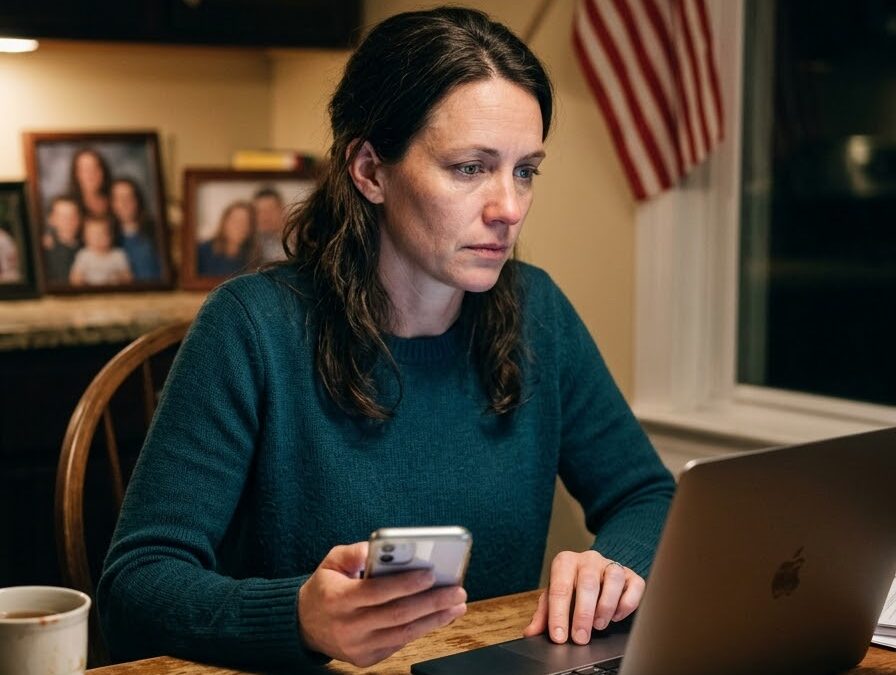
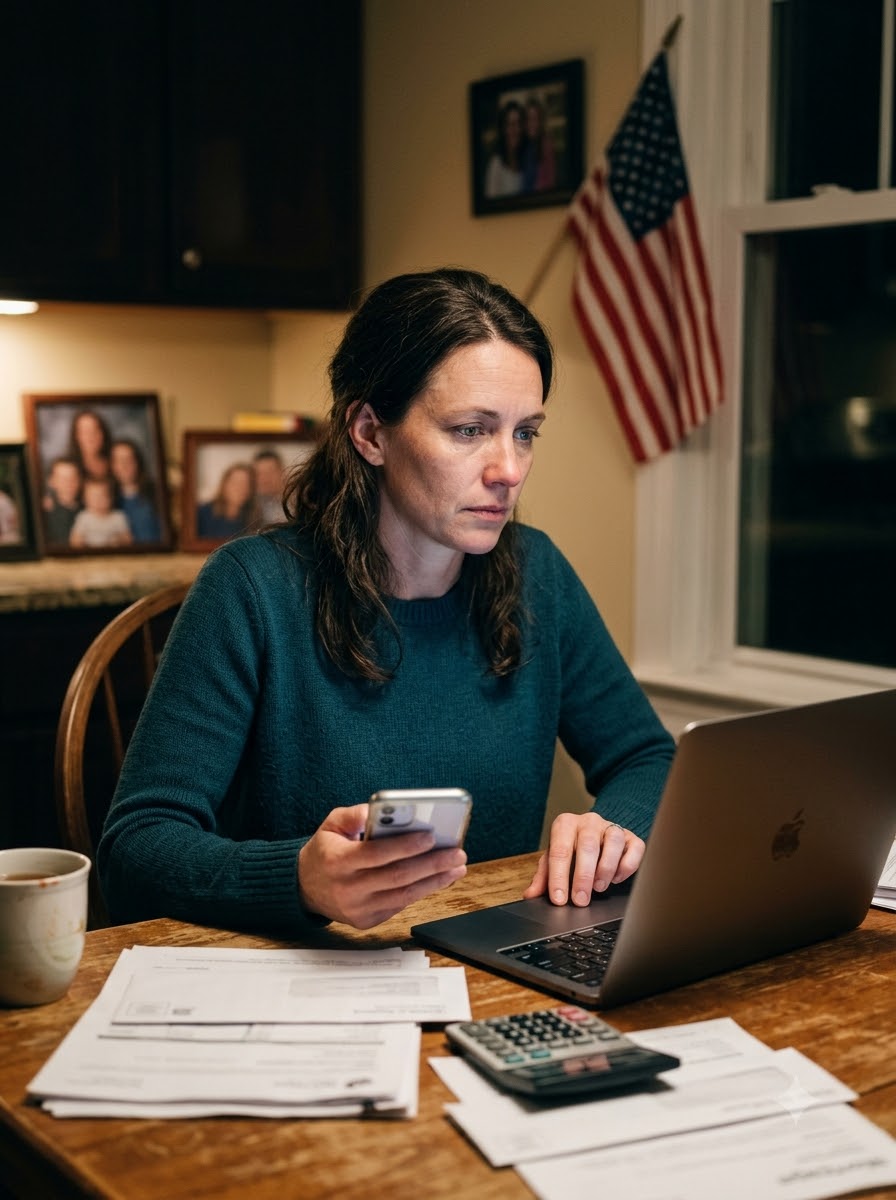
My name is Lillian Parker.
I’m 42 years old.
And at 11:47 on a Thursday night, my mother officially informed me that I had been removed from my own family.
Her message wasn’t emotional.
It wasn’t angry.
It read like a decision made at a board meeting:
“We’ve agreed you’re no longer part of the family. Don’t come to any gatherings.”
Before I could even decide whether I was hurt or furious, my younger sister reacted to the message with a thumbs up.
That tiny symbol did something 20 years of arguments had never managed to do.
It made everything clear.
I stared at the screen, then opened my banking app.
The mortgage contribution I sent every month.
The SUV payment I had covered for nearly two years.
The insurance.
The phone plan.
The utility account linked to my card.
The personal loan I had been quietly paying because someone in the family had promised me it would only be temporary.
They had just told me I wasn’t family anymore while apparently assuming my money still was.
I typed one sentence: “Thanks for confirming. I’ll cancel all the auto payments.”
Then I hit send.
No speech.
No argument.
No warning.
At 12:18, the first payment disappeared from my account.
At 12:31, another one did.
At 12:46, I removed my card from an account I should never have been attached to in the first place.
By 1:05 a.m., my phone started ringing nonstop.
And the strangest part was nobody called to tell me they wanted me back.
They called because they had finally discovered exactly how much of their lives I had been paying for.
Before I tell you what they said and what I discovered after the cancellations started hitting, tell me what time it is where you are right now and where you’re watching from.
I want to see just how far this family story travels.
The first person to call was my younger sister, Jenna.
She called three times, then sent six messages in less than 4 minutes.
“What did you cancel?”
“Call me now.”
“You can’t do this over one family argument.”
That last message almost made me laugh.
Because apparently being formally expelled from every birthday, holiday, dinner, reunion, and family event had already been downgraded to one family argument.
I didn’t answer.
Instead, I went to the cabinet where I kept a thick accordion folder labeled Taxes.
Most of it wasn’t taxes.
It was family.
For years, whenever I paid something for them, I saved the confirmation.
I told myself it was because I was organized.
The truth was uglier.
Somewhere inside me, I already knew I needed evidence that my generosity had actually happened.
I spread the papers across my dining table.
There was my mother Carol’s mortgage.
When my father died 6 years earlier, she told me she needed help until things stabilized.
Things never stabilized because there had never been a reason for them to.
I had stabilized them for her.
There was Jenna’s Audi.
She had arrived at my apartment 2 years earlier carrying takeout and acting unusually sweet.
Halfway through dinner, she admitted her financing had been approved only if she put down more money than she had.
“I just need help getting over the hump,” she said.
I covered the down payment.
3 months later, when she fell behind, I covered the payment too.
Then another.
Eventually, the automatic debit simply became mine.
The memory that bothered me most wasn’t even the money.
It was what Jenna said at Christmas that year when an aunt complimented her car.
Jenna laughed and said: “Some people just know how to make life work.”
She looked directly at me when she said it.
I had paid for the car she was bragging about.
And she still managed to make me feel like the unsuccessful one.
Then there was Noah, my 35-year-old brother.
Unlike Jenna, he rarely demanded anything directly.
He let Mom do it for him.
Certification fees.
Loan installments.
A credit card consolidation payment that supposedly gave him a clean reset.
Every reset became another reason I was expected to stay available.
I opened a spreadsheet and started entering numbers.
Mortgage support over 6 years.
Vehicle expenses.
Insurance.
Utilities.
Emergency transfers.
Loans nobody repaid.
Family vacations I was pressured to subsidize because it would be awkward if everyone couldn’t go.
Restaurant bills where people mysteriously became fascinated by their phones when the check arrived.
The total crossed $100,000.
Then $150,000.
By the time I included the personal loan balance still being withdrawn from my account, the number was just under $184,000.
I stared at it.
That was when my phone flashed with another message from Jenna:
“If you don’t fix this tomorrow, I’m telling everyone exactly what kind of person you are.”
There it was.
Not “Can we talk?”
Not “I’m sorry.”
Not even “Please.”
A threat to my reputation.
I finally replied: “Please do. Send them screenshots of Mom’s message too.”
Three dots appeared.
Disappeared.
Appeared again.
Then my mother called.
I declined it.
She called again.
Declined.
On the fourth attempt, she left a voicemail.
I didn’t play it immediately.
I canceled two more payments first.
Then I listened.
Carol’s voice wasn’t sad.
It was furious.
“Lillian, stop whatever ridiculous stunt you’re pulling.”
“This is family money.”
“You know perfectly well people depend on those accounts.”
“You don’t get to punish everyone because you don’t like a decision we made.”
“Call me before morning and put everything back the way it was.”
Family money.
I replayed those two words.
Money I earned was family money.
But family gatherings were not for me.
That was the moment whatever guilt had been waiting in the background disappeared.
Have you ever realized that someone considered your generosity an obligation only after you finally stopped giving?
I saved the voicemail.
Then I created a folder called Confirmation.
For the first time, I wasn’t documenting what I had given them.
I was documenting what happened when I stopped.
At 8:12 the next morning, Carol called again.
This time, I answered.
“Put everything back.”
No hello.
No apology.
No acknowledgment of what she had written 12 hours earlier.
“Good morning to you too,” I said.
“Lillian, I am not playing games.”
“Your sister’s car payment didn’t go through.”
“The mortgage transfer is canceled.”
“The phone account says your card was removed.”
“What exactly do you think you’re doing?”
“Respecting your decision.”
“What decision?”
I almost admired how quickly she tried to rewrite history.
“The one where you told me I wasn’t part of the family.”
“You know what I meant.”
“No, actually. That was unusually clear.”
Carol exhaled sharply.
“We were trying to establish boundaries because every gathering becomes uncomfortable when you’re there.”
That sentence was interesting.
I asked her what I had done at the last gathering.
Silence.
“What did I do, Mom?”
“That isn’t the point.”
“What did I do at Thanksgiving?”
More silence.
“What did I do at Jenna’s birthday?”
“Lillian, stop interrogating me.”
I already knew the answer.
I hadn’t created scenes.
I hadn’t insulted anyone.
I hadn’t even raised my voice.
My crime was refusing to fund Jenna’s destination birthday trip after already paying for her car repair.
That was when the campaign against me had started.
Carol shifted tactics.
“You’ve always been difficult when people don’t appreciate you exactly the way you want.”
I almost interrupted.
But she kept going.
“Do you think raising you was free?”
“Do you think your father and I didn’t sacrifice?”
“We gave you everything we could.”
“And now, the moment this family needs you, you decide to keep score.”
There was the old trick.
Turning childhood into an invoice.
“I didn’t ask you to repay me for being your daughter,” I said.
“Don’t twist my words.”
“I’m not.”
“I’m finally listening to them.”
She lowered her voice.
“Your father would be ashamed of you.”
That one landed.
My father had been gone for 6 years.
And Carol knew exactly how much weight his name carried with me.
For several seconds, I said nothing.
Then I remembered something he had once told me when I was 23 and considering lending money to a cousin who had already borrowed from three other people.
“Helping somebody stand up is kindness,” Dad had said.
“Carrying them because they refuse to walk is something else.”
Carol had apparently forgotten that conversation.
I hadn’t.
“If Dad were here,” I said quietly, “I think he’d ask why his oldest daughter has spent 6 years financing three healthy adults.”
Carol’s voice hardened.
“You think you’re better than us because you make more money?”
“No.”
“I think I’m responsible for my money because I earn it.”
“Then you’re choosing money over family.”
I actually smiled.
“No, Mom.”
“You chose that for me yesterday.”
“You told me I wasn’t family before you knew the money was leaving.”
She started speaking faster then.
Listing consequences.
The mortgage would be late.
Jenna would have to find money for her Audi.
Noah had a payment due.
The family phone plan might need to be downgraded.
She presented each inconvenience as evidence of my cruelty.
I listened until she finally ran out of accusations.
Then I said: “I’m sending one final transfer.”
Her tone changed instantly.
“How much?”
That question told me everything.
I transferred $500 to Carol.
In the memo line, I wrote: Final family subsidy.
“This is the last money you’ll receive from me,” I said.
Carol went quiet.
“You’re serious?”
“Yes.”
“What about the house?”
“Call the lender.”
“Jenna’s car?”
“Jenna drives it.”
“Noah?”
“Noah is 35.”
“You would really let us struggle?”
That was the first question she asked that sounded genuine.
“I’m going to let you solve your own problems.”
She started crying then.
But even the crying came with instructions.
She told me to reconsider.
Told me not to humiliate her.
Told me relatives would ask questions.
And that was when I understood what scared her most.
Not losing me.
Being seen without me.
“When I was paying everything,” I asked, “did you tell those relatives?”
She didn’t answer.
“Did Jenna tell people I made her car payments?”
Nothing.
“Did Noah tell people I was covering his debt?”
Still nothing.
“Then if anyone asks what changed, tell them the truth.”
Carol’s crying stopped as suddenly as it had begun.
“You’re going to regret this.”
“Maybe.”
I ended the call.
20 minutes later, Jenna posted a message online.
It didn’t use my name.
But it didn’t need to.
“Nothing reveals someone’s character faster than watching them use money to control the people who love them.”
Within an hour, relatives were commenting.
Some agreed with her.
Some asked what happened.
And one person posted a question Jenna clearly hadn’t expected:
“Wait. Lillian was paying your bills?”
The post disappeared 11 minutes later.
But I already had the screenshot.
That afternoon, my best friend Tessa called and told me not to respond publicly.
“Not because Jenna deserves protection,” she said.
“Because right now she’s telling a story that requires you to become emotional.”
Tessa understood that better than most people.
Years earlier, before we became close, she had spent nearly a decade paying expenses for an older relative who treated every loan like proof that Tessa could afford another one.
When Tessa finally stopped, that relative told everyone she had become selfish after getting promoted.
“What did you do?” I asked.
“For 6 months,” she said, “everything wrong.”
“I argued.”
“I posted receipts online.”
“I sent long explanations to relatives who hadn’t even asked.”
Every attempt to defend herself produced another screenshot that could be cropped, forwarded, or stripped of context.
Then she realized something.
“If somebody needs you to be the villain, your explanation just gives them more material.”
That stayed with me.
I didn’t need a cliché pep talk telling me to protect my peace.
I needed someone who had made the same mistakes I was about to make.
So instead of responding to Jenna, I did something far less satisfying and much more effective.
I organized evidence.
Bank statements.
Transfer histories.
Text messages requesting money.
Promises of repayment.
Carol’s message removing me from the family.
Jenna’s reaction to it.
The voicemail calling my earnings family money.
By Sunday evening, I had a 12-page summary.
I didn’t send it anywhere.
Not yet.
Meanwhile, consequences started arriving.
Jenna’s first voicemail was arrogant.
Her second was irritated.
Her third was panicked.
“The lender says I’m behind.”
“I need you to reinstate the payment until I can refinance.”
I ignored it.
2 days later, she called again.
“Lillian, I’m serious.”
“They said I have to bring the account current.”
I asked one question.
“How much is your monthly payment?”
She hesitated.
That hesitation mattered.
Jenna had spent years treating a payment I made every month as too insignificant to deserve gratitude.
Yet she didn’t even want to say the number aloud.
“$1,146,” she finally said.
“Then you should probably start planning around $1,146.”
“You make enough.”
There it was again.
Not “I can’t.”
“You can.”
As though my income were the solution to every decision she made.
“I’m not paying it.”
She changed tactics.
“Fine.”
“Then I’ll sell it.”
“That sounds sensible.”
“You know I’ll lose money.”
“That’s between you and the car.”
She hung up.
Carol’s situation was slower.
I had been sending $1,800 each month toward her mortgage and related expenses.
Without it, she could technically still pay the loan.
But only if she drastically changed her spending.
Carol didn’t want drastic changes.
She wanted me.
She called relatives.
I knew because three of them contacted me.
I didn’t explain everything.
I simply said: “Mom told me I am no longer part of the family, so I stopped financing family expenses.”
That sentence did more work than any argument could have.
One aunt replied: “She told us you cut everyone off without warning.”
I sent her the screenshot.
No commentary.
5 minutes later, she wrote:
“I see.”
Those two words were more satisfying than a hundred angry messages.
Then Tessa admitted something I hadn’t known.
“Your sister contacted me.”
“When?”
“Yesterday.”
My stomach tightened.
“What did she want?”
“She wanted me to convince you to reverse the cancellations.”
“Anything else?”
Tessa paused.
“She also asked whether you’d ever told me how much you had saved.”
That didn’t sound like Jenna trying to repair a relationship.
That sounded like Jenna trying to calculate how much more money existed.
For the first time, I wondered whether my family had ever seen my financial support as temporary.
Or whether, in their minds, my future earnings had already been budgeted too.
Would you let relatives face the consequences of their own dependence if you knew you could make the problem disappear with one transfer?
For years, my answer had been no.
Now I was discovering what happened when the answer became yes.
The first surprise came from Noah.
He asked to meet me privately.
I nearly refused.
But his message was different from the others:
“I’m not asking for money. There’s something you need to know.”
We met at a small diner after work.
Noah looked uncomfortable before he even sat down.
“I owe you an apology,” he said.
I waited.
He admitted that Carol had been telling everyone for years that my financial help was voluntary in a way that wasn’t entirely true.
According to her version, I had insisted on paying things because I enjoyed being the successful one.
Whenever Jenna complained about depending on me, Carol reassured her that I liked it.
Whenever Noah said he should take back one of his payments, Carol told him not to embarrass me by refusing my help.
It was genius in the worst possible way.
To me, she framed every request as an emergency.
To them, she framed every payment as something I needed emotionally.
We had all been living inside different versions of the same arrangement.
“That doesn’t excuse me,” Noah said.
“I should have asked you.”
“Yes.”
He nodded.
Accepting it.
Then he gave me the second surprise.
Carol wasn’t as financially helpless as she claimed.
Several years earlier, she had received money from the sale of land that had belonged to my grandmother.
I knew about the sale.
But Carol told me the proceeds were mostly consumed by taxes, legal costs, and old debts.
Noah had recently seen a statement.
There was still a substantial amount invested.
“How substantial?”
He looked embarrassed.
“A little over $90,000.”
I didn’t speak.
For 6 years, I had helped pay her mortgage because she presented herself as one unexpected expense away from disaster.
She had savings.
Not enough to live extravagantly forever.
But enough that my support had never been the emergency she made it sound like.
“Does Jenna know?”
“Yes.”
That answer hurt more.
“How long?”
“About 2 years.”
I leaned back.
2 years.
2 years of Jenna asking me to cover her Audi while knowing our mother had money available.
2 years of Carol telling me the family had nowhere else to turn.
Noah continued.
“There’s more.”
Of course there was.
Carol and Jenna had been discussing selling the house and moving into a condo.
That alone would have been reasonable.
The part that wasn’t reasonable was their plan for the proceeds.
They wanted to keep Carol’s investment untouched.
Sell the house.
Use part of the equity for a condo.
And persuade me to cover the remaining monthly expenses.
Because according to Jenna:
“Lillian already pays most of Mom’s housing anyway.”
My future money had been included in a plan I had never seen.
Suddenly, the message banning me from family gatherings looked different.
This hadn’t happened because they no longer needed me.
They had assumed they could reject me socially and still retain me financially.
“Why tell me now?” I asked Noah.
He looked down.
“Because when you canceled my payment, my first reaction was anger.”
“Then I opened everything I owe and actually looked at it.”
“I realized I didn’t know half the details because somebody else had always handled the uncomfortable part.”
He had picked up weekend work.
He sold equipment he rarely used.
He contacted the lender himself.
For once, he wasn’t asking me to rescue him.
“I’ll pay you back,” he said.
“I’m not asking you to promise something dramatic.”
“I know.”
“That’s why I’m not asking you to believe me yet.”
That was probably the first mature thing anyone in my family had said all week.
Jenna reacted very differently.
3 days later, she posted a photograph of her Audi with a caption implying that jealous people wanted to see her lose what she had earned.
Someone commented:
“Didn’t your sister pay for that?”
The comment stayed visible long enough for other people to notice.
Jenna deleted the entire post.
Then she called me.
“You’re telling people.”
“No.”
“They know about the car.”
“You told relatives I was controlling you with money.”
“Apparently someone became curious about what money you meant.”
“You’re humiliating me.”
“I haven’t posted a single thing about you.”
“You could fix this.”
There was the sentence underneath every sentence.
You could fix this.
I could.
I simply wasn’t going to.
Within 2 weeks, Jenna returned the Audi to the lender and replaced it with a used compact car.
She told everyone I had taken her Audi.
I hadn’t touched it.
I hadn’t called the lender.
I hadn’t signed anything.
All I had done was stop paying for a vehicle registered in her name.
That distinction didn’t matter to her.
Because responsibility felt like punishment when someone else had been carrying it for too long.
And Carol?
She stopped calling.
That frightened me more than the shouting had.
Because silence in my family usually meant someone was planning something.
The answer arrived the following Friday.
Jenna posted a long message accusing me of abandoning our mother and putting her home at risk.
This time, she used my name.
She said Carol might lose the house because I had withdrawn support without warning.
She said family should never weaponize money.
She said success meant nothing if you could watch your own mother struggle.
The post spread through our extended family fast.
For the first hour, I did nothing.
Then Tessa called.
“Do you want me to tell you not to respond?”
“No.”
“Good.”
“Because I wasn’t going to.”
I opened my 12-page folder.
I still didn’t post it.
Instead, I wrote one short comment underneath Jenna’s message:
“Please ask Mom whether she wants her current financial assets discussed publicly before continuing this.”
Nothing else.
The comment remained visible for 23 minutes.
Then Jenna deleted her post.
Carol called immediately.
“What have you been telling people?”
“Almost nothing.”
“You threatened to expose my finances.”
“No.”
“I suggested Jenna stop publicly misrepresenting them.”
“That money is private.”
“So was mine.”
Silence.
“You had no right to discuss it with Noah.”
“I didn’t.”
“Noah discussed it with me.”
Another silence.
That was when I knew she hadn’t expected him to tell me.
Carol tried one more angle.
“You don’t understand how complicated this is.”
“Then explain it.”
“I was trying to protect my savings.”
“With mine?”
“I’m your mother.”
“And that made my savings less important?”
She didn’t answer.
3 days later, Noah called me from outside Carol’s house.
He sounded uncomfortable.
“Jenna and Mom are arguing.”
“About what?”
“Money.”
I almost laughed.
Of course.
Without me available as the common solution, they had finally turned toward each other.
Noah told me Carol wanted Jenna to contribute toward the mortgage until the house could be sold.
Jenna refused because she was already adjusting to her smaller car payment and other bills I had stopped covering.
Carol accused her of selfishness.
Jenna responded with the sentence I had apparently been expected never to say:
“That’s your house. Why should I pay for it?”
The irony was almost beautiful.
Then Noah said something else.
“They’re blaming you for turning us against each other.”
“I’m not there.”
“I know.”
That night, I drove to Carol’s neighborhood.
Not because anyone had summoned me.
Not because I intended to help.
I wanted confirmation.
I parked across the street where neither of them could see me.
And called Noah.
He stepped outside and came to my car carrying a folder.
“What’s that?”
“Copies.”
Inside were printouts showing the investment account.
The proposed condo calculations.
And a handwritten page in Jenna’s handwriting.
The page listed estimated proceeds from selling Carol’s house.
Under projected monthly expenses after the move were three words:
Lillian covers gap.
I stared at them for a long time.
My life had become a line item.
Not a daughter.
Not a sister.
A gap.
Noah looked toward the house.
“Mom says she didn’t mean for any of this to get so far.”
“She had a spreadsheet.”
“I know.”
Through the front window, I could see Jenna moving back and forth while Carol sat at the dining table.
I didn’t need to hear every word to understand what was happening.
For years, they had formed an alliance around one shared assumption.
I would absorb whatever nobody else wanted to carry.
Now there was no absorber.
Every choice had returned to its owner.
Carol eventually decided to list the house.
Not because I forced her.
Because once my $1,800 monthly contribution disappeared, maintaining a house larger than she needed no longer made financial sense.
Jenna told relatives I had made our mother sell her home.
Carol had enough equity to buy something smaller.
She also had investments.
What she lost wasn’t security.
She lost the lifestyle structure that depended on me quietly filling gaps.
Jenna lost the Audi.
Carol lost the house she could maintain only while protecting other assets from being touched.
Noah lost the luxury of ignoring his own debt.
And I lost something too.
The illusion that if I gave enough, eventually I would become impossible to exclude.
Standing outside that house, I finally understood the bargain I had unknowingly made.
I paid to belong.
They accepted the payments.
Then they removed the belonging.
The only surprising part was that they expected the payments to survive.
The house sold 7 weeks later.
Carol bought a two-bedroom condo instead.
Jenna moved into the second bedroom for what she insisted would be just a couple of months.
Her expensive apartment had become difficult to justify once she was responsible for her own car.
Insurance.
Phone.
Utilities.
And credit card payments.
Noah kept his weekend job.
He began sending me $200 every month.
The first transfer included a note:
Not asking for forgiveness. Just starting.
I accepted it.
I still didn’t restore any automatic payments.
Then came the final family gathering.
Technically, I wasn’t invited.
That detail matters.
Carol was having relatives over at the condo for her birthday.
Weeks earlier, her message had said I wasn’t to attend any family gatherings.
Nobody had officially reversed that statement.
The morning of the gathering, Jenna texted me:
“Mom wants you here.”
I replied:
“Did Mom say that?”
No response.
An hour later, Carol called.
“I’d like you to come tonight.”
“As family?”
She paused.
It was amazing how much truth could fit inside one pause.
“Yes,” she said eventually.
“Then why did it take losing the payments for that to change?”
“That isn’t fair.”
“It’s exactly fair.”
She began explaining that emotions had been high when she sent the original message.
She said the family had been frustrated with me.
She said nobody expected things to spiral.
I almost let that wording pass.
Almost.
“What spiraled?”
“The finances.”
“The house.”
“Jenna’s car.”
“Everyone arguing.”
“No.”
“I’m asking what happened between us.”
Another pause.
Carol still didn’t say: “I was wrong to remove you from the family.”
She said everything around it.
“I handled it badly.”
“We all made mistakes.”
“I was under pressure.”
“I didn’t realize how seriously you would take it.”
That last one was almost funny.
She hadn’t realized I would take being disowned seriously.
“I’m not coming tonight.”
“People are expecting you.”
“They were expecting me at gatherings before you banned me.”
“Lillian—”
“Mom, I’m not doing this to punish you.”
“I’m doing it because you still think the problem was my reaction.”
Her tone sharpened.
“So what do you want?”
“An apology?”
I wanted a mother who didn’t need to lose $1,800 a month before noticing she had pushed her daughter out.
That finally ended the performance.
Carol said quietly:
“I am sorry.”
I believed she was sorry.
I just wasn’t sure what she was sorry for.
The message.
The consequences.
The house.
The embarrassment.
Losing control.
Perhaps all of it.
But apologies don’t automatically restore access.
“I accept that you said it,” I told her.
“I’m not ready to pretend everything is repaired.”
“What does that mean?”
“It means you have your life.”
“I have mine.”
“Maybe someday we build something different.”
“And the family?”
“I didn’t leave the family.”
“You sent me a written notice.”
She had no response to that.
That evening, I stayed home.
At 8:40, Noah sent me a photograph.
Everyone was standing around Carol’s dining table.
There was an empty place setting.
I stared at the picture for a few seconds.
And noticed something unexpected.
I didn’t feel victorious.
I didn’t feel guilty either.
I felt finished.
Then Jenna sent me a private message:
“You got what you wanted. Happy?”
I typed a response.
Deleted it.
And typed another.
Finally, I sent one sentence:
“I wanted to stop paying for people who had already decided I didn’t belong.”
Her answer came immediately.
“You destroyed this family over money.”
I looked at those words for nearly a minute.
Then I opened the original message from Carol:
“We’ve agreed you’re no longer part of the family. Don’t come to any gatherings.”
Underneath it was Jenna’s thumbs up.
I took a screenshot containing both messages.
And sent it back to her.
No commentary.
No argument.
Nothing else was necessary.
She didn’t reply.
Months passed.
Carol’s condo was comfortable.
Even if smaller than the house.
Jenna eventually moved out after getting a second job and finding a cheaper apartment.
Noah reduced his debt.
Nobody collapsed.
Nobody’s life ended.
The catastrophe they had predicted turned out to be something much less dramatic.
They adjusted.
That realization changed something in me.
For years, every request had been presented like a crisis.
If I didn’t pay, something terrible would happen.
If I didn’t step in, someone would lose everything.
If I didn’t rescue them, I was selfish.
But when I finally stopped, they did what adults eventually do when rescue is unavailable.
They made different choices.
I made some too.
The first thing I did was calculate the amount I had previously spent on family payments every month.
It was more than $4,000.
I redirected part of it into investments.
Part went toward paying down my own mortgage faster.
I created a travel fund.
I replaced furniture I had postponed buying because there was always someone else’s emergency.
None of those things were dramatic.
But each one reminded me that my money could support my life too.
Tessa once asked whether I regretted not handling everything more gently.
I thought about it.
“No,” I said.
“I regret that I trained them to believe I would always say yes.”
That was the uncomfortable lesson.
Carol and Jenna had taken advantage of me.
But I had participated in the pattern every time I agreed to solve a problem I secretly resented solving.
I thought generosity would purchase peace.
Instead, it purchased expectation.
I thought being indispensable would make me secure.
Instead, it made me useful.
And useful is not the same thing as loved.
Nearly 6 months after the original message, Carol invited me to lunch.
Just lunch.
No gathering.
No relatives.
No bills waiting on the table.
I went.
We spoke for an hour.
She told me she had finally created a monthly budget.
She admitted she had protected her investments because using them made her feel financially vulnerable.
Depending on me felt easier.
“That wasn’t fair,” she said.
“No.”
“I convinced myself you didn’t mind.”
“I minded.”
“I know that now.”
We didn’t hug and declare everything healed.
I didn’t hand her a check.
She didn’t ask.
When the bill came, Carol reached for it.
For one second, we both looked at her hand holding the receipt.
Then she laughed awkwardly.
“I can pay for lunch.”
“I know.”
It was probably the healthiest conversation we had ever had.
Not because the past had vanished.
Because for once nobody owed anybody anything at the table.
Jenna and I took longer.
She remained angry about the Audi for months.
Although she eventually stopped claiming I had taken it after Noah corrected her one too many times in front of relatives.
The real humiliation wasn’t losing an expensive car.
It was admitting she had never truly been able to afford it.
I understood why that hurt.
I simply refused to make it my responsibility.
One evening, nearly a year after everything began, I found the 12-page financial summary I had created the night Carol banned me.
I opened it.
$183,425.
That was only what I could easily document.
Once, that number would have made me furious.
Now it looked like tuition.
An expensive education in boundaries.
I deleted the spreadsheet.
Not because I forgave every lie.
Not because I forgot.
Because I no longer needed the total to prove anything.
The most important number was zero.
Zero automatic payments to relatives.
Zero bills hidden from the people responsible for them.
Zero dollars required to earn a place at somebody else’s table.
And whenever I think about that first night, I always return to the same strange detail.
My mother believed the cruelest sentence in our exchange was mine:
“I’ll cancel all the auto payments.”
It wasn’t.
The cruelest sentence was hers:
“You’re no longer part of the family.”
I simply believed her.
Maybe that’s why the story still causes arguments whenever relatives hear it.
Some people say family means helping no matter what.
Others say help stops being love when it becomes entitlement.
I learned that boundaries rarely reveal who loves you.
But they reveal very quickly who benefited from you having none.
So here’s the question I would leave at the table if this happened in your family.
If the people closest to you told you that you no longer belonged, but still expected your money to arrive every month, would you keep paying to preserve the relationship?
Or would you finally choose yourself and let every adult pay the price of their own choices?
Thank you for listening until the final line.
This video is completely fictional and intended only for entertainment, education, and storytelling value.
We hope it reminds you that some people only want forgiveness because they miss the benefits of being forgiven.
Repair requires more than wanting things to go back to normal.
It requires respecting the pain that made normal impossible.








