The night I lost my job, my father started packing my things. “Your sister needs this house more than you do.” My sister screamed, “Who’s going to pay for my car loan now?” My mother joined in, pushing me out of the house. I didn’t say a word about the company registered in my name or that seaside house. A few hours later…
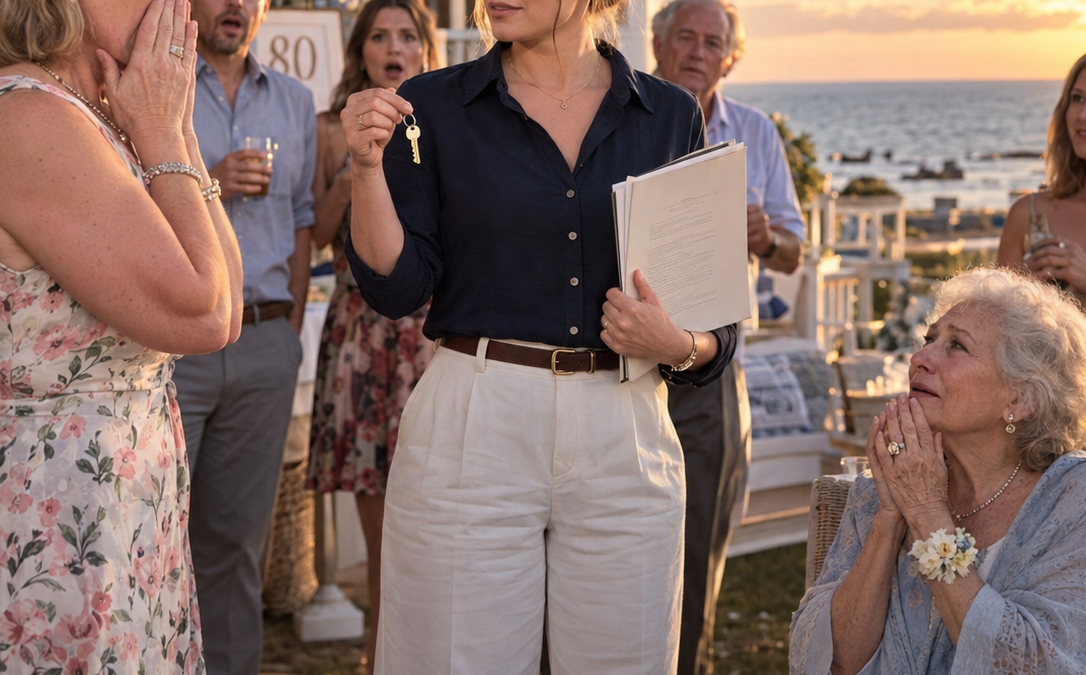
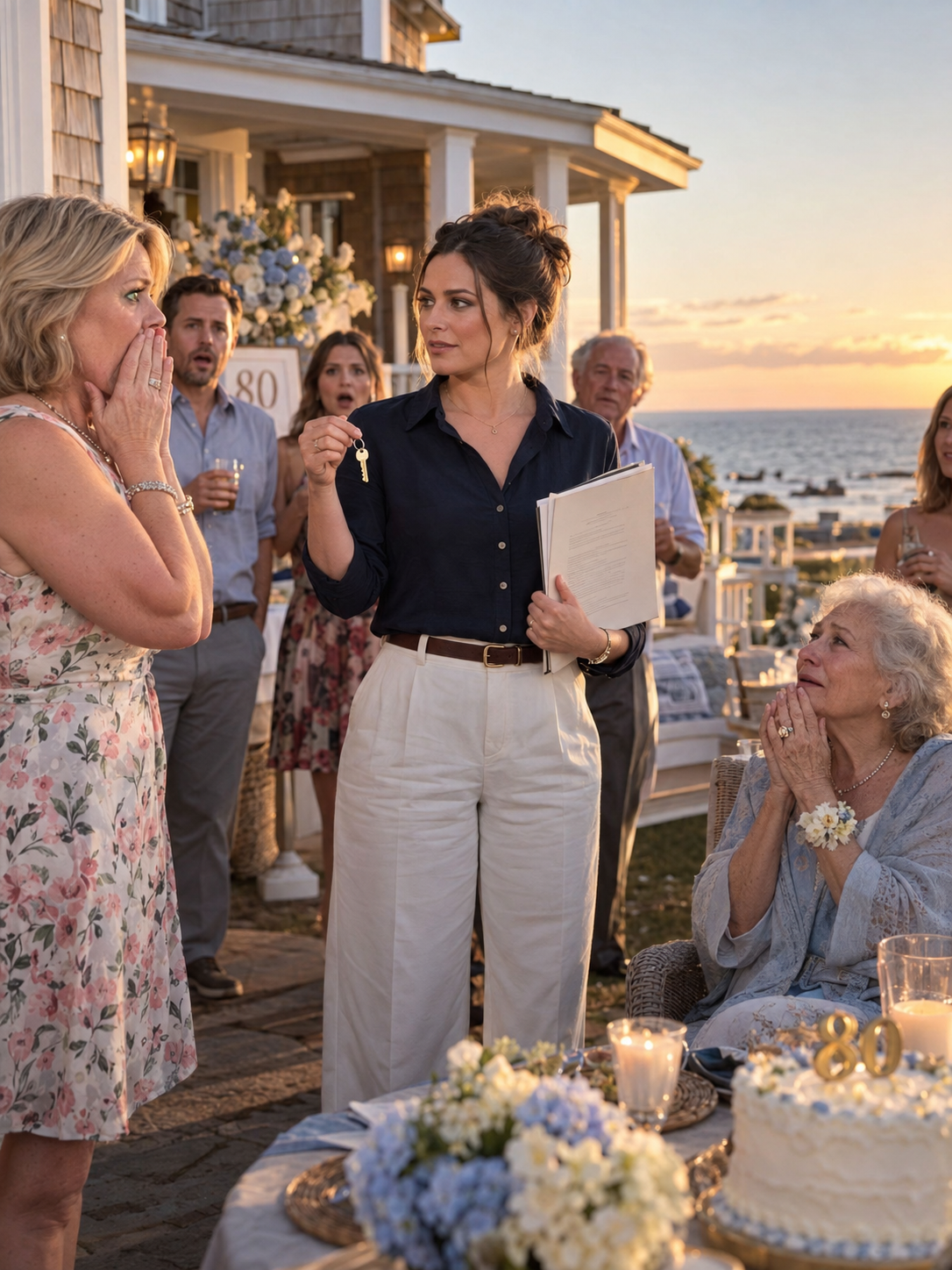
My name is Jolene Sims, and at 36, I found out my family had been keeping a price tag on me I never agreed to.
The night I lost the biggest contract of my career, my sister didn’t ask if I’d eaten.
She asked who was going to cover her car payment now.
My mom nodded along like that was the real tragedy in the room.
My dad walked into my old bedroom, pulled a flat box off the closet shelf, and started folding my shirts into it.
He told me my sister needed the house more than I did.
They had no idea what I’d already built three hours down the coast.
Or whose name was really on the deed to a small house by the water.
What happened over the next few weeks took the whole thing apart, board by board.
Welcome back to Hidden Family Revenge, where quiet people finally stop holding the door open for folks who only knock when they want something.
If a story ever made you sit up a little straighter, stay with me, drop a comment, and be sure to subscribe.
Let me take you back to that Friday in late spring.
I run a company called Tideline Property Restoration.
We take coastal houses the ocean has tried to kill and bring them back.
Rotted joists.
Salt-eaten siding.
Foundations the storms loosened.
That’s my trade.
I started it with nothing but a truck and a borrowed nail gun, and I built it into something.
So when my biggest client called that Friday morning to tell me his investor had pulled out, I didn’t fall apart.
The resort restoration was gone.
A quarter of my year’s revenue gone in a phone call.
I sat in my office in Mara Bay and looked at the numbers.
Then I closed the laptop.
I’ve rebuilt houses the sea swallowed whole.
I could rebuild a quarter.
The thing that bothered me wasn’t the money.
It was that I’d have to tell nobody because nobody in my family ever asked what I actually did.
They thought I worked construction.
Close enough.
I let them believe it.
That afternoon, I made the long drive I made every Friday.
Three hours inland to Mil Haven, the town I grew up in.
To the house where I’d been sleeping for 18 months.
My dad had a heart attack a year and a half back.
I moved into my old room to help.
I kept my real life on the coast and my obligation in Mil Haven, and I drove the line between them every week.
When I pulled into the driveway that evening, there were two extra cars at the curb.
My cousin Dell’s truck.
And the rusted Charger that belonged to my sister’s boyfriend, Cody.
Company.
In my family, company on a Friday usually meant somebody had already decided something about me and I’d be the last to hear it.
The screen door slapped shut behind me, and my sister’s voice met me before I cleared the hall.
“So, it’s true.”
“You got fired.”
Britney was folded into the corner of the couch with her phone.
Cody beside her.
My mom in the armchair across from them.
The neighbor sat by the window with a glass of sweet tea, pretending she wasn’t there for the show.
“Laid off,” I said.
“The client went under.”
“Nobody fired me.”
Britney didn’t care about the difference.
She turned to my mother like I wasn’t standing there.
“Mom, who’s going to pay my car now?”
There it was.
Not, Are you okay?
Not, What happened?
Just a bill addressed to me.
My mom, Carol, set her tea down on the side table and folded her hands the way she does when she’s already made a decision and wants it to look like a conversation.
“Now, Jolene, don’t get worked up.”
“We’ll sort it out.”
“You always sort it out.”
Cody smirked at his phone.
Dell, by the kitchen doorway, gave me a look I couldn’t read yet.
Something close to a warning.
“How do you already know I got laid off?” I asked.
Britney shrugged.
“Cody’s cousin works at the supply.”
“Word travels.”
So they’d known for hours.
They’d gathered in this living room and discussed my bad day before I even made it to the door.
And the only item on the agenda was who covered her $300 payment.
“I drove three hours to find out my own family had a meeting about my paycheck,” I said.
My mom smiled like I was being difficult.
“Sit down, honey.”
“You’re tired.”
I didn’t sit.
My father, Wayne, came in from the hallway holding a flat cardboard box.
The kind we kept for moving.
He popped it open without looking at me and set it on the coffee table.
“Your sister and Cody need a real room,” he said.
“They’re talking about getting married.”
“It makes sense for them to have yours.”
Then my mother delivered the line she’d clearly rehearsed.
“Your sister needs this house more than you do, Jolene.”
She said it gently.
Which made it worse.
Britney didn’t even glance up.
The neighbor found something fascinating in her tea.
My dad walked into my room down the hall.
I followed.
And watched him fold my work shirts into that box.
The same hands that taught me to swing a hammer were now packing me out of the house I’d been holding together.
“You’re really doing this?”
“You’ve always landed on your feet,” my mother called from the living room.
Like that settled it.
And there it was.
The family motto.
Jolene lands on her feet, so nobody has to catch her.
I looked at the box.
My grandmother’s old sewing tin was on top.
The one Nana gave me when I was 12.
I picked it up and held it.
Then I reached into my jacket pocket and felt the cold weight of a key ring I never explained to anyone in that house.
I didn’t explain it now.
“You’re not throwing me out,” I said.
Quiet.
“I’m choosing the door.”
My dad finally looked at me.
And for a second, something flickered.
Then my mom said:
“Don’t be dramatic.”
And he went back to folding.
I picked up the box myself.
I walked out before anyone could open the door for me.
And I shut it behind me on my own.
I drove the three hours back to the coast that same night.
The box rattling on the seat behind me.
I didn’t cry.
I was too busy doing math.
By the time the road turned to salt air and the lights of Mara Bay came up over the dunes, I’d already decided how the next month was going to go.
My apartment sat above a bait shop two blocks from the water.
My office was a converted boathouse a mile down the road with my name on a sign I’d paid for myself.
This was my real life.
The one my family never bothered to visit.
My business partner, Ranata Vance, was still at the office at 10 p.m.
The way she always was when a contract fell through and we needed to scramble.
She took one look at me carrying that box and set down her coffee.
“You finally left that house,” she said.
“They left me,” I told her.
“I just stopped arguing about it.”
Ranata had been telling me for a year to pull back from Mil Haven.
She’d watched me wire money home.
Cover bills.
Drive that highway every weekend.
And she’d watched me come back emptier each time.
“Good,” she said.
“Now, what do you want to do about it?”
I didn’t answer right away.
I set the box down on my desk and looked at it.
On top, under the sewing tin, was a folder I kept locked in my drawer at home and carried back and forth like a secret.
Ranata saw me look at it.
“Is it time?” she asked.
I still wasn’t sure.
But for the first time in 18 months, I felt the line I’d been driving go slack.
Like a rope finally let loose.
Let me back up.
Because the box didn’t come out of nowhere.
Eighteen months earlier, my dad collapsed in the driveway with a heart attack.
I got the call at a job site.
Drove the three hours without stopping.
And I didn’t really leave after that.
Somebody had to manage the house while he recovered.
And in my family, somebody has always meant me.
My mom didn’t work.
Britney drifted between jobs she quit before they could fire her.
So I moved into my old room and took the weight.
I caught up the property taxes that had quietly fallen behind.
I covered the gap in the homeowner’s insurance.
And when Britney wanted a newer car and her credit couldn’t carry it, my mother handed me a pen.
I co-signed.
Because a default on that loan would wreck the credit I needed to run my own business.
I didn’t do any of it to be a martyr.
I did it because I can’t stand watching a thing fall apart when I know how to hold it up.
That’s my flaw, if you want to name it.
I fix.
I’d rather carry the load than argue about whose load it is.
I told myself it was temporary.
I even set conditions once.
“Britney pays her own car after six months,” I said the day I signed.
My mother waved it off.
“She’s getting on her feet.”
She never got on her feet because nobody ever let her hit the ground.
And me?
I was the one who never needed catching.
Which in that house was just another way of saying I was the one nobody had to think about.
I drove that highway every Friday and told myself family was worth it.
I believed that right up until the night they handed me a box.
People who hear this story always ask the same thing.
Why does your mother love your sister more?
It isn’t that simple.
And I won’t pretend it is.
Between Britney and me, my mother lost two babies.
She doesn’t talk about it.
But my grandmother told me once, years ago.
Two pregnancies that ended before they started.
And then Britney arrived.
Small.
Early.
Breathing against the odds.
My mom decided that child would never want for anything as long as she lived.
She built her whole self around keeping Britney safe and close.
And somewhere in there, she decided I was the strong one.
The one who didn’t need worrying over.
I understand where it came from.
Understanding it never made it hurt less.
My father came from his own wreckage.
His father was a hard, loud man.
And Wayne learned early that peace meant agreeing with whoever raised their voice the most.
In our house, that was my mother.
So he didn’t fight for me.
He just kept his head down and folded shirts when he was told to.
The only person who ever saw me clearly was my grandmother.
Nana Marlene.
She used to pull me aside when I was small and say:
“You were never the strong one to me, baby.”
“You were just the only one who showed up.”
She lived in a back room of the Mil Haven house now.
Eighty next month.
Her world had shrunk down to a recliner and a window.
She’d lost the one place she ever loved a long time ago.
And losing it had folded something in her.
I think that’s why I drove that highway so long.
Not for my mother.
For the old woman in the back room who’d remembered my name when no one else bothered.
That first night back in Mara Bay, I didn’t sleep.
I sat at my kitchen table with my laptop and a cup of cold coffee.
And I started pulling the threads.
First, the autopay I’d set up for the Mil Haven property taxes and the homeowner’s insurance.
Both ran out of my account.
Both stopped that night with two clicks.
Then Britney’s car.
I’d been quietly making those payments myself.
So I logged in and killed the autopay that same night.
I knew a co-signer can’t just phone in and vanish off a loan.
The only clean way off was for Britney to refinance in her own name.
And she’d never qualify for that.
So I did the honest thing instead.
I stopped covering it.
And I told her in plain words the payments were hers now.
If she let it default, the repossession would scuff my credit, too.
I decided I could carry one bruise to be free of a 15-year tab.
Then I made a list of every standing thing I quietly covered.
And I drew a line through each one.
It took me about an hour.
And when I was done, the whole quiet machine I’d been running for that house had stopped.
They threw me out at sunset.
By midnight, the floor under them had started to give.
And they didn’t even know it yet.
I wasn’t doing it to punish anyone.
I was doing it because the wall had finally walked away from the house.
And a wall can’t hold up a room it isn’t standing in.
I opened the locked folder I’d carried back from Mil Haven.
Inside was a deed three years old.
With my name on it.
For a small house on a strip of beach 40 minutes up the coast.
I’d told no one.
Not Britney.
Not my mother.
Not my father.
I traced the address with my finger the way you touch a photograph of someone you lost.
Then I closed the folder and went to bed.
The thing about a house is it doesn’t fall all at once.
First, a payment slips.
Then a notice arrives.
Then a phone rings in a kitchen three hours inland.
And a woman who never read a bill in her life realizes she doesn’t actually know what holds her roof up.
I want to stop here for a second.
People keep telling me I was cold that night.
Maybe I was.
But I’d spent 18 months being warm inside a house that saved all the heat for someone else.
If you’ve ever been the wall a family leaned on until you cracked, you already understand exactly what I felt driving away.
Stay with me.
The part where it all turns is coming.
Hit subscribe so you don’t miss it.
For two days, the house in Mil Haven went silent.
No call from my mother.
No text from my father.
Britney posted a photo of my old room with a caption about finally getting space.
I didn’t answer.
I threw myself into work instead because that’s what I do with a wound.
I bury it under a task list.
Ranata and I went after smaller jobs to cover the hole the resort left.
A storm-damaged duplex.
A widow’s porch that was one good wind from collapse.
Honest work that paid on time.
On the third morning, my cousin Dell called.
Dell’s the only one in that family who ever told me the truth without being asked.
“Hey,” he said.
“Thought you should know.”
“A letter came to the house.”
“Bank letterhead.”
“Your mom’s been staring at it all morning.”
“What kind of letter?”
“Something about the home equity line.”
“She looked scared, Jolene.”
I felt something cold settle behind my ribs.
“What home equity line?”
Dell went quiet.
“You don’t know about it?”
“Dell.”
“What home equity line?”
“I figured you set it up.”
He paused.
“Look, I shouldn’t be the one telling you this, but your name’s mixed up in it somehow.”
“Your mom mentioned it.”
I thanked him.
Hung up.
And sat very still.
There was a piece of this I didn’t have yet.
And it had my name on it.
I’d find out soon enough that the people who threw me out of that house had been quietly leaning on me in ways I never agreed to.
In places I’d never thought to look.
Britney called that afternoon.
I almost let it ring.
Some reflex made me pick up.
The old reflex that still hoped somebody might ask how I was.
“Hey,” she said.
“So, my insurance is due Monday.”
“Can you cover it?”
“And Mom says the water heater is making a noise, so probably that too.”
No hello.
No question that didn’t end in a dollar amount.
“Britney,” I said.
“Do you know where I am right now?”
“I don’t know.”
“The beach somewhere.”
“I’m three hours away, and I’m off your payroll.”
A pause.
I could hear Cody in the background saying something low.
“Don’t be like that,” Britney said.
“You always handle this stuff.”
“I handled it because nobody else would.”
“That’s not the same as it being mine to handle.”
“So you’re just going to let my car get repossessed over what?”
“Your feelings?”
I almost laughed.
“I’m not your bank, Britney.”
“I was never supposed to be.”
Cody’s voice got louder in the background.
“Ask her about the other thing,” he said.
Britney shushed him.
But I’d heard it.
“The other thing?”
“What other thing?” I asked.
“Nothing,” Britney said too fast.
“Forget it.”
She hung up.
I set the phone down on my desk and looked at it for a long while.
There was a script in that family.
And I’d been playing my part in it for 15 years.
The dependable one.
The open wallet.
The wall.
And now that I’d walked off the set, they were all confused that the lines weren’t landing anymore.
The trouble was somebody had written me into a part I never read.
And Cody had just let the page slip.
That night, I sent the message I should have sent years before.
I kept it short.
The way I keep a quote to a client when there’s nothing left to negotiate.
I wrote it to all three of them at once.
The taxes.
The insurance.
The car co-sign.
Done as of now.
I gave them a clean date and the number for the bank.
And nothing else.
No apology.
No paragraph about how much it hurt.
I’d learned a long time ago that grief doesn’t move people who think your job is to bleed quietly.
Only consequences do.
Before I sent it, I wrote one more line.
For myself as much as for them.
Family isn’t a bill.
It’s a door.
And I’m done holding it open for people who only knock when they want something.
I didn’t send that part.
I just needed to read it back once in my own handwriting to believe it.
Then I hit send on the rest and put the phone face down.
Ranata read the message over my shoulder the next morning and nodded once.
“No soft edges,” she said.
“Good.”
“They’ll try to make you the villain for this.”
“Let them,” I said.
“I’ve been the wall for 15 years.”
“They can carry the roof for a while.”
I meant it, too.
But I already knew my mother.
She wouldn’t argue the money.
She’d argue the love.
She’d turn a spreadsheet into a betrayal and a boundary into an act of cruelty.
Because that was the only language she’d ever found that worked on me.
And for 15 years, it had.
The question I sat with that morning, watching the tide go out past the boathouse window, was whether it still would.
The storm hit by noon.
My mother called six times before I answered.
When I finally picked up, she didn’t lead with the money.
She led with the knife.
“After everything this family has done for you,” she said, “this is who you’ve become?”
“And what has this family done for me, Mom?”
Silence.
She didn’t have a list.
There wasn’t one.
“You’ve always landed on your feet, Jolene,” she said.
Falling back on the old refrain.
“You don’t need us the way your sister does.”
“Why are you doing this to her?”
There it was again.
That sentence she used like a hammer.
The one that turned my whole life into a reason to ignore me.
“I’m not doing anything to Britney,” I said.
“I stopped doing things for her.”
“That’s not the same.”
“She could lose her car.”
“Then she can make her payments the way adults do.”
My mother’s voice cracked right on cue.
The tears she could summon like turning a tap.
“I lost two babies, Jolene.”
“You don’t understand what it is to almost lose a child.”
It was the one true thing she’d said.
And she used it like a weapon.
The way she always did.
“I do understand, Mom,” I said quietly.
“I’ve understood my whole life.”
“That’s why I drove that highway for 18 months.”
“But grief isn’t a bill I owe forever.”
She went silent again.
Then she said something that told me exactly where this was headed.
“We’ll just figure out your grandmother’s birthday without you.”
Then Nana’s 80th.
The whole family was planning it.
And my mother had just made it a battlefield.
I hung up.
Sat there.
And a plan I’d been afraid to make for three years started very quietly to take shape.
I drove back to Mil Haven two days later.
But not for my mother.
I went in through the side door.
The one that opened near the back room.
So I wouldn’t have to pass through the living room.
Nana Marlene was in her recliner by the window.
A quilt over her knees.
Smaller than the last time I’d seen her.
Her face lit up when I came in.
The way it always did.
Like I was the only weather she cared about.
“There’s my girl,” she said.
I pulled a chair close and held her hand.
The skin was thin as paper now.
We talked about small things.
The birds at her feeder.
A show she liked.
Then she got quiet and looked out the window at the gray Mil Haven sky.
“Eighty years,” she said.
“Can you believe it?”
“What do you want for it?” I asked.
“For the birthday.”
She smiled.
But it was a sad one.
“I had one good house in my whole life,” she said.
“Out on the water.”
“Your grandfather and I bought it the year we married.”
“We lost it when the bad years came.”
She’d told me this before.
But never like a wish.
“The sea took everything else from me but that porch.”
“I used to watch the sun go down off that porch and think, This is mine.”
“Nobody can take this.”
She squeezed my hand.
“Funny what a person remembers at the end.”
I didn’t tell her what I knew.
Not yet.
I just sat with her until the light changed.
And on the drive back to the coast, I made a call to my attorney about a document I’d been thinking about for three years and had never been brave enough to draw up.
The house Nana lost is the house I bought back.
I never told her.
Three years ago, it came up at a county auction.
Half ruined.
The porch sagging into the sand.
And I emptied my savings and took it.
By the third year, I’d finally reached the bones of the place.
The original interior walls nobody had opened since my grandparents built it.
Every owner after them had only done surface work.
Paint.
Cheap fixtures.
The easy things.
Not one of them ever went into the structure.
The day after I sat with Nana, I drove up the coast to work because tearing out rot is the only thing that calms me.
I was prying loose a sealed wall section beside the old chimney.
Lath and horsehair plaster that hadn’t moved in 70 years.
Then something dropped out of the cavity and hit the subfloor.
A coffee tin.
Rusted at the seams.
The kind they don’t make anymore.
I sat down right there on the subfloor and pried it open.
Inside were photographs.
Curled and yellow.
My grandmother young.
My grandfather with his arm around her.
The porch new and white behind them.
And under the photos, a sheet of paper folded into a small hard square.
Soft from age.
Her handwriting.
A list.
Things I want before I go.
I read it with my heart going slow and heavy.
Most of it was simple.
See the cousins once more.
Make peace with Wayne.
And at the top, underlined twice so the pen had nearly torn through:
Watch one more sunset from the porch of a house that’s mine.
She’d sealed that tin inside the wall the year they built the place.
Behind plaster no one ever had a reason to open.
And it had waited there in the dark.
Through the foreclosure.
The new owners.
The long ruin.
Because not one of them went down to the bones of the house until I did.
I sat on that floor until the light went orange through the salt-streaked window.
Then I folded the list back into the tin.
And I knew exactly what I was going to do.
And exactly where.
I called my attorney from the porch.
Sitting on the new boards I’d laid myself.
The ocean going dark in front of me.
“I want to set up a life estate,” I told her.
“My grandmother.”
“She lives in the house for the rest of her life.”
“No rent.”
“No conditions.”
“I keep the ownership, but the right to live there is hers until she’s gone.”
My attorney walked me through it.
It was clean.
It was legal.
And it was exactly the kind of thing nobody could argue me out of.
Because it was mine to give.
I’d bought this house with my own two hands and a decade of grinding.
No one had handed it to me.
And now I was going to hand the best of it to the one person who’d ever handed me anything.
I’d throw Nana her 80th birthday right here on this porch.
In the house she lost and never knew she’d gotten back.
I’d watch her face when she realized where she was.
And the family that packed my shirts into a box could find out the same way everyone else did.
I started planning it that night.
The caterer.
The chairs.
The string of lights along the eaves.
Ranata thought I’d lost my mind.
“You’re throwing a party for the people who threw you out.”
“I’m throwing a party for my grandmother,” I said.
“They’re just going to be there for it.”
My phone buzzed while we talked.
A new inquiry had come through the Tideline website.
Through the listing where I quietly rented the cottage out for events when it sat empty.
Someone wanted to book it for a family party.
I almost didn’t read the name.
When I did, I had to read it twice.
The booking request was from a Carol Sims.
I sat there staring at my own screen.
Carol Sims wanted to rent a beach house for an 80th birthday party.
My mother had gone looking online for somewhere nice to host Nana’s birthday.
Somewhere that would look good in front of the cousins and the church friends.
And the algorithm had handed her my cottage.
She had no idea it was mine.
She didn’t even recognize it as her own mother’s lost house.
The listing photos showed it restored.
Transformed.
Nothing like the ruin the family remembered.
Ranata read the screen over my shoulder and let out a low whistle.
“She’s trying to rent your house to throw a party you were already throwing.”
“In the house her mother lost,” I said.
“That she doesn’t know I own.”
We sat with that for a minute.
It was almost too perfect.
The kind of thing you couldn’t write.
My mother, who told me my sister needed a house more than I did, was now trying to pay me to use a house she didn’t know was mine.
There was a version of this where I exposed it right then.
Fired back a message that said:
You can’t rent what I own.
Watch her squirm over text.
But text is small.
And what my mother had done to me wasn’t small.
And it hadn’t been done in private.
She’d packed me out in front of a neighbor.
So I wasn’t going to settle this in a private message.
I was going to settle it the way she’d done it.
Out loud.
In front of people.
With witnesses.
“Don’t answer it yet,” I told Ranata.
“Let me think about how I want this to go.”
I already knew.
I just wanted to be sure I had the stomach for it.
Before I could plan anything, Dell called again.
And this time his voice was tight.
“I found out what the bank letter’s about,” he said.
“You’re not going to like it.”
Two years ago, it turned out my mother had opened a home-equity line against the Mil Haven house.
To fund Britney.
To fund Cody.
Really, his truck.
His business idea.
The wedding they kept talking about.
And because her own credit was thin, she’d used the only strong name attached to that house.
Mine.
She’d kept copies of everything from the car co-sign.
My Social Security number.
My income.
My old signature.
And she’d used them to forge my name onto the equity-line application.
I never saw it.
I never signed it.
But on that paper, I was a borrower.
The line was now delinquent.
The house was the collateral.
And my name was on the hook.
Here’s the part that matters.
The part I’ve turned over a hundred times since.
I’d seen a sign of this.
A year back, a strange letter came addressed to me at the Mil Haven house.
Something from a lender I didn’t recognize.
I asked my mother about it.
She said it was junk mail.
A pre-approval.
Nothing.
I called the number anyway and got a runaround.
And when I tried to have my name pulled, they told me the account holder had to come in and sign.
And the account holder was my mother.
And she never went.
So I’d caught the smoke and reached for the alarm.
And the door had been locked from a side I couldn’t reach.
I sat with the phone in my hand and felt the whole shape of it land.
The house they kept me out of had been standing on my name the entire time.
I didn’t panic.
Panic is for people who don’t know how a foundation works.
I called my attorney back the next morning.
And we went at it like a job.
Methodically.
From the bottom up.
We pulled the loan documents.
We set the signature on the application beside my real one and saw the forgery plain.
We logged the dates against where I’d actually been.
Then we did the unglamorous, necessary things.
A written fraud dispute to the lender.
An identity-theft affidavit.
A police report in the county where it was filed.
My lawyer was blunt with me.
“This is a strong fraud claim, but the bank has to open an investigation.”
“And that can run for months.”
“They won’t just hand the debt to whoever spent the money.”
“That’s not how any of this works.”
“What we’re doing is disputing whether you’re liable at all.”
“If the forgery holds up, you come off it and the bank goes after the people who actually signed.”
I sat with that.
Naming my mother.
Putting it in writing that she’d forged me onto a loan.
A year ago, I’d have flinched and eaten the debt to keep the peace the way I always had.
Not this time.
“File all of it,” I said.
So we did.
It was slow.
Careful.
Uncertain work.
The only kind of fight I trust because it can’t be argued away with tears.
My mother would get a different letter soon.
One that said the account was under fraud investigation.
And the daughter she threw out was no longer quietly carrying it.
I didn’t gloat about it.
I just filed each document and slept fine.
There’s a particular peace in fixing the right thing for once instead of the thing everyone expects you to fix.
Then I made my move on the party.
I had Ranata answer my mother’s booking inquiry from the Tideline business account.
Under the company name.
With my name nowhere on it.
The cottage was available for her date.
The message said the event coordinator would handle the details.
My mother, delighted to have found somewhere that photographed well, paid the deposit without a second look.
She never asked who owned it.
People like my mother don’t ask who’s holding the thing up.
They just enjoy standing on it.
So now the family was coming to the coast.
To my house.
To throw Nana’s 80th.
And not one of them knew whose porch they’d be standing on.
I let them book it.
I just didn’t tell them whose it was.
“You’re really going to let them set up a party in your house thinking it’s a rental?” Ranata said.
“I’m going to let them walk in believing my mother arranged something beautiful,” I said.
“And then I’m going to tell the truth in front of everyone who matters to her.”
That was the whole shape of it.
My mother dealt in shame done in public.
The box.
The neighbor.
The meeting behind my back.
So I’d answer with truth done in public.
Not a scream.
Not a scene.
Just the facts in a room full of witnesses where she couldn’t spin them into a private little story where she was the victim.
I spent the next two weeks finishing the cottage.
New porch rail.
Fresh white paint.
A little wooden sign I carved myself and hung by the door.
Though I kept it covered for now.
The party was set.
Nana didn’t know.
My mother didn’t know.
The only people who knew were me, Ranata, and a lawyer drawing up a deed.
My father called the week before the party.
He never calls.
I almost didn’t recognize the number flashing his name.
“Jolene,” he said.
And then a long quiet.
The kind he fills a room with.
“I know that night wasn’t right.”
“The box.”
“I shouldn’t have packed your things.”
I waited.
I’d waited 18 months for him to say a true sentence.
And I wasn’t going to rush it.
“Your mother said it was best for everyone,” he went on.
“I went along.”
“I always go along.”
“That’s… that’s the thing about me, I guess.”
“It is the thing about you, Dad,” I said.
Not cruel.
Just true.
He breathed out slow.
“There’s a letter came about the house.”
“About the loan.”
“Your mother won’t tell me what’s in it.”
I closed my eyes.
“Ask her, Dad.”
“It’s her loan.”
“She says it’s got your name on it.”
“It does.”
“She put it there without asking me.”
Silence on the line long enough that I wondered if he’d hung up.
“I didn’t know,” he said finally.
“I believe you,” I told him.
“You never know anything in that house.”
“You make sure of it.”
It was a hard thing to say to my own father.
But he’d earned the hearing of it.
“Are you coming to your grandmother’s birthday?” he asked.
“I’m coming,” I said.
“More than you know.”
I didn’t explain.
He wasn’t ready.
And neither was I.
But I felt something I hadn’t expected.
Not forgiveness.
Not yet.
But a small open window where a man who’d spent his life folding shirts and keeping quiet might just once choose to stand up straight.
I hung up and went back to sanding the porch rail.
And I let myself hope a little.
Just a little.
Hope is cheaper than disappointment.
And I had room for it.
The consequences I’d set in motion started landing in Mil Haven that same week.
And Dell narrated it to me whether I asked or not.
The car went first.
A truck came on a Tuesday afternoon and took Britney’s SUV out of the driveway while she stood in the doorway in her robe, screaming at a man with a clipboard who’d heard worse.
Two months behind.
With no one left quietly covering it.
She had to ride with my mother everywhere now.
Like a teenager again.
Then the home-equity notices started coming in earnest.
With the account under a fraud dispute.
And me no longer the silent name behind it.
The lender’s letters landed squarely on my parents.
And the bank’s fraud unit began asking my mother questions she couldn’t answer.
The bank wanted payment they didn’t have.
My mother called Dell crying about what Jolene did to us.
And Dell, bless him, said:
“Aunt Carol, Jolene didn’t take out that loan.”
She hung up on him.
Cody, sensing the money drying up, started spending less time at the house.
The wedding talk went quiet.
I felt a hard, complicated thing watching it from three hours away.
Not joy, exactly.
More like watching a building you warned everyone about finally settle the way you said it would.
I hadn’t pushed it over.
I just stopped standing where the wall used to be.
“You doing okay with all this?” Dell asked me.
“I’m fine,” I said.
And then I caught myself.
Because that word had been used against me my whole life.
“Actually,” I said, “I’m better than fine.”
“For the first time in a long time, the thing falling apart isn’t me.”
Dell laughed.
Low.
“Save me a seat at the party,” he said.
“Front row.”
I told him:
“You’re one of the few who earned it.”
Quick pause.
I could have called my mother and explained all of it.
The loan.
The house.
The party.
I didn’t.
Some people only hear you when the quiet gets loud enough to cost them something.
If you’ve ever gone quiet on purpose, you know exactly what I mean.
Tell me in the comments where you’re watching from.
And stay close because the party is almost here.
And so is the part nobody saw coming.
The last week before the party, I more or less lived at the cottage.
I finished the porch.
Washed the windows until the salt was gone and the glass took the light clean.
Ranata strung lights along the eaves.
The caterer confirmed.
I had a cake made.
Lemon.
Because that was Nana’s.
The little carved sign by the door stayed under a cloth.
Waiting.
The cottage didn’t look like the ruin the family remembered.
And it didn’t look like a rental.
It looked like a home that had been loved back to life.
Which is exactly what it was.
I stood on that porch the night before and watched the sun go down over the water.
The way Nana wrote she wanted to.
And I tried to picture her face seeing it.
I’d brought the coffee tin with me.
I set it on the mantle inside.
The photographs propped up beside it.
The list folded in the tin where she’d left it.
Some part of me wanted her to find it herself.
The deed sat in a folder in my truck.
Signed.
Witnessed.
The life estate drawn up clean.
Everything was ready.
My mother thought she’d rented a pretty venue.
Britney thought she was attending a party.
The cousins were driving in from three counties.
And not one of them knew that the house they were about to celebrate in had been bought back from the wreckage by the daughter they’d packed into a box.
Or that the old woman of honor was about to be handed the one thing she’d written down and hidden in a wall for 50 years.
I slept at the cottage that night.
I woke before dawn to the sound of the tide.
And I lay there listening to it.
Steady.
Certain.
And I was not afraid.
My mother called the morning of the party.
And this time, the performance had cracks in it.
“The bank is threatening to take the house, Jolene.”
Her voice shook.
And for once I thought some of it might be real.
“They say the loan’s in default.”
“They say you filed some kind of fraud claim against it.”
“You have to fix this.”
“You have to help us.”
“I didn’t take out that loan, Mom,” I said.
“You did.”
“In my name.”
“I did it for your sister.”
“For the family.”
“You did it without asking me.”
“And now you want me to pay for it.”
“We could lose the house.”
“You told me Britney needed the house more than I did,” I said.
“So I left it to her.”
“I’m just doing what you asked.”
There was a long silence.
Then she said the thing she always said.
Like a coin she kept flipping because it had always come up heads.
“You’ve always landed on your feet, Jolene.”
“You can take this.”
“We can’t.”
I let the line sit empty for a moment.
“I’ll see you at the party, Mom,” I said.
“I think you’ll find it really is something.”
She didn’t catch the weight in it.
She was too busy being frightened.
Furious.
And certain I was the cruel one.
“At least you’re showing up for your grandmother,” she snapped.
And there was the knife again.
The implication that I’d ever once not shown up.
I hung up.
Finished loading the truck.
The cake.
The folder with the deed.
The cloth-covered sign, though it was already hanging by the door.
I drove the 40 minutes up the coast to the cottage with the windows down and the salt in my hair.
And I felt steadier than I had in years.
Today, the truth got to stand up in a room and be counted.
I got to the cottage two hours early to walk it one more time.
The caterers were setting tables on the lawn that ran down toward the dunes.
The lights waited for dark.
Inside, the photograph stood on the mantle beside the tin.
I checked the deed in its folder.
The life estate clipped behind it.
My grandmother’s full name typed clean across the top.
Ranata found me on the porch.
“You sure about doing this in front of everyone?” she asked.
“They could make it ugly.”
“They already made it ugly,” I said.
“In a living room.”
“In front of a neighbor.”
“With a cardboard box.”
“I’m just answering in the same room they started the conversation in.”
She nodded slowly.
“What’s the plan?”
“No plan.”
“No speech.”
“I let my mother do what she does.”
“She’ll take credit for the house.”
“She’ll perform for the cousins.”
“And when she’s standing in the middle of it, sure she’s won, I’ll tell them the truth.”
“Then I’ll give Nana the porch.”
Ranata studied me.
“And the family?”
“The family finds out they’re guests,” I said.
“Not owners.”
“Not heirs.”
“Guests today because Nana loves them and it’s her day.”
“But the door I’ve been holding open with my own back for 15 years?”
“That closes.”
I wasn’t angry saying it.
That’s the part people never believe.
I wasn’t shaking.
I wasn’t rehearsing cutting lines.
I was calm the way the tide is calm.
The way a thing is calm when it knows it’s going to happen no matter what stands in the way.
The cars started arriving a little after four.
I heard them on the gravel.
Doors slamming.
Voices carrying up to the porch.
I smoothed my shirt.
Picked up the folder.
And went to greet my grandmother.
Everyone else could wait.
They wheeled Nana up the gravel path in a borrowed chair.
A shawl around her shoulders.
And I watched her face the whole way.
She was looking at the cottage the way you look at a word you can’t quite remember.
Then the porch came into full view.
The white rail.
The lights.
The windows clean and shining.
And she stopped.
Her hand came up to her mouth.
“Wayne,” she said to my father, who was pushing the chair.
“Wayne, this is…”
She couldn’t finish it.
“This is my house.”
The cousins kept moving past her toward the food.
Not understanding.
But my father went still.
He knew.
He’d grown up visiting this porch.
He looked at the house.
Then slowly, he looked at me.
Standing at the top of the steps.
And something crossed his face that I’d never seen there before.
My mother breezed up the path in her good dress.
Already smiling for the cousins.
Already the hostess.
“Isn’t it lovely, Mama?” she called out loud enough for everyone.
“I found it for you.”
“I wanted you to have somewhere beautiful.”
Nana wasn’t listening to her.
She was staring at the porch.
At the carved sign by the door I’d hung that morning and finally uncovered.
Marlene’s Porch.
Her own name in cedar.
Weathered to look like it had always been there.
“Who did this?” she whispered.
“Who brought my house back?”
The party noise went on around us.
Cousins laughing.
Ice clinking.
The caterer calling about the cake.
But in that little pocket of porch, three people stood frozen.
My grandmother with her hand over her mouth.
My father gone pale.
And my mother finally beginning to sense that the script in her head and the room she was standing in were not the same place.
“Mama,” my mother said again, uncertain now.
“I rented it for you.”
And that was the moment I’d been waiting for.
I came down the steps.
My mother, rattled but recovering, did what she always does.
She filled the silence with herself.
She turned to the cousins gathering on the lawn.
To the church friends.
To Aunt Ratha.
And the whole crowd of them.
And she raised her voice into the role she loved best.
The generous one.
The one who made things happen.
“I wanted Mama’s 80th to be special,” she announced.
“So I found this gorgeous place right on the water.”
“Wasn’t easy, let me tell you.”
“But nothing’s too good for my mother.”
A few people clapped.
Britney, beside Cody near the cooler, smiled like the praise was partly hers.
My mother was glowing now.
The fright from the morning’s bank call buried under the warmth of an audience.
This was her medicine.
To be seen as the woman who provided.
Who arranged.
Who gave.
The same woman who told me my sister needed a house more than I did was now taking a bow in a house she didn’t know I owned.
“Three months of planning,” she went on.
Warming up.
“I just wanted somewhere that felt like family.”
Nana was still staring at the sign.
My father hadn’t moved.
Dell, off to the side, caught my eye and gave the smallest nod.
Like a man bracing for a wave he could see coming.
I let my mother have her moment.
I let it grow.
Let her gather the whole crowd into the story she was telling.
Let her stand at the very center of it.
Certain she’d won.
Certain she was the hero of her own mother’s birthday.
Then, when she paused to let the admiration settle, I stepped into the middle of the lawn where everyone could see me.
And I said in a voice that didn’t need to be loud:
“Mom, you didn’t rent this house.”
The lawn went quiet.
The way a beach goes quiet right before the water pulls back.
My mother turned to me.
The smile still on her face.
But losing its grip at the corners.
“What do you mean?”
“I didn’t rent it?”
“Of course I did.”
“I paid the deposit.”
“The company?”
“The company is mine,” I said.
“Tideline.”
“The one you booked through.”
“The one you paid.”
“That’s my company, Mom.”
“And this is my house.”
Nobody moved.
The cousins looked from me to her and back.
Sensing they’d walked into the middle of something.
“I bought this house three years ago,” I said.
Calm.
Steady.
Letting each fact land on its own weight.
“At a county auction.”
“The same house Nana and Grandpa lost when the bad years came.”
“It was a ruin.”
“I emptied my savings and I bought it.”
“And I’ve been rebuilding it with my own hands every weekend since.”
“On the weekends you all thought I was off at a job site.”
My mother’s mouth opened and closed.
“That’s… that’s not…”
“You work construction,” she said.
As if that was a rebuttal.
“I own a restoration company,” I said.
“I’ve owned it for years.”
“You never asked.”
“None of you ever asked what I did because you only ever wanted to know what I could do for you.”
And then my mother did what she always does when the ground moves under her.
She exploded.
“You bought our family’s house and you hid it!”
She shouted.
The performance for the cousins forgotten now.
Her face going red.
“You let me make a fool of myself.”
“After everything.”
“After we took you in.”
“After we raised you.”
“This is your revenge.”
The cousins watched her come apart.
I didn’t raise my voice.
I didn’t have to.
The louder she got, the smaller her story became.
“It’s not revenge, Mom,” I said quietly.
“It’s the truth.”
“And it’s about time it stood up in a room you couldn’t talk it out of.”
I walked to my grandmother’s chair and crouched down to her level.
The folder in my hand.
The whole lawn was watching.
“Nana,” I said.
“I brought your house back.”
“And I’m not just giving it to you for today.”
I opened the folder and showed her the deed.
Her name typed clean across the life estate.
“This says you live here for the rest of your life.”
“No rent.”
“No conditions.”
“The sunset off that porch is yours.”
“The way you wrote it.”
“The way you hid it in the wall for 50 years for me to find.”
Her hands were shaking as she took the paper.
She read it.
Then she read it again.
And then she pressed it to her chest and made a sound I’d never heard her make.
Half a laugh.
Half a sob.
And she said:
“My house.”
“My own house.”
Behind me, my mother found her voice.
“You can’t just…”
“We’re family.”
“That house should be…”
She couldn’t even finish the sentence.
The entitlement so naked it embarrassed the cousins to hear it.
“You’ve always landed on your feet, Jolene.”
She tried the old coin.
Flipping it one more desperate time.
I stood and looked at her.
And I let her see that the coin didn’t work anymore.
“I did land on my feet,” I said.
“Right here.”
“On the porch you packed me away from.”
The lawn was silent.
“You told me my sister needed a house more than I did.”
“You were wrong about which house.”
“And which person.”
“Nana needed this one more than this family ever did.”
My mother’s mouth worked.
But nothing came out.
And my grandmother, in her chair, clutching the deed, lifted her head.
She looked at her daughter.
And said in a voice thin but clear enough for every cousin to hear:
“Carol, hush.”
“The girl gave me my porch back.”
“Let her have her say.”
For the first time in my life, my mother had nothing.
The whole carefully built facade came down right there on the lawn.
In front of everyone my mother had wanted to impress.
Aunt Ratha asked too loudly:
“Carol, what’s this about a loan on your house?”
And my mother flinched like she’d been slapped.
Because of course the family grapevine had carried that too.
The cousins started murmuring.
Britney, sensing the wind change, tried to pivot.
“This is so unfair.”
“You’re embarrassing us at Nana’s party.”
“I’m not embarrassing anyone,” I said.
“I’m telling the truth at it.”
“There’s a difference.”
“You’d be surprised how often those two get confused in this family.”
Cody had already drifted toward the parking area.
Suddenly very interested in his phone.
The way men like Cody do when the free ride runs out.
And then my father moved.
Wayne.
Who had spent 63 years keeping his head down and folding shirts when he was told to.
Walked past my mother.
He walked to my grandmother’s chair.
He put his hand on her shoulder.
Then he looked at me.
His voice rough.
“She’s right.”
“Jolene’s right about all of it.”
It wasn’t much.
It came 30 years too late.
But my mother turned to him like he’d betrayed her.
And he didn’t look away this time.
He didn’t fold.
“Carol,” he said quietly.
“Enough.”
It was the first time I’d ever heard him tell her enough.
The party didn’t end so much as dissolve.
The cousins, unsure where to look, drifted toward the cake.
Aunt Ratha started asking my mother pointed questions she couldn’t answer.
And I stood beside my grandmother’s chair with my father’s hand near mine on the back of it.
And the three of us looked out at the water.
While behind us, the family I’d carried for 15 years quietly came apart under its own weight.
The crowd thinned out by evening.
The cousins left in twos and threes.
Some of them stopping to squeeze my hand on the way to their cars.
A few of them looking at my mother differently than they had when they arrived.
Britney left with Cody.
Then came back 10 minutes later because Cody had driven off without her.
She didn’t apologize.
But she sat on the steps for a while.
Quiet.
Watching the water.
And before she left with my parents, she said:
“I didn’t know about the loan.”
“For what it’s worth.”
It wasn’t much.
But it was the first true thing she’d said to me in years.
My parents drove back to Mil Haven.
To face a house they’d have to save on their own now.
With their own names.
And their own money.
The home-equity dispute would grind on for months.
And nothing about it was guaranteed.
But I’d stopped quietly carrying it.
And what they’d actually signed for, they’d answer for themselves.
I stayed behind with Nana.
When the last car crunched out of the gravel, I wheeled her chair to the edge of the porch.
And we sat together as the sun went down over the water.
Gold spilling across the whole bay.
She held the deed in her lap the entire time.
“First sunset that’s all mine,” she said softly.
“Took 80 years.”
“It’s yours now,” I told her.
“Every one of them from here on.”
She reached over and found my hand.
And we watched the light go down together.
Neither of us said anything else.
Because nothing else needed saying.
I kept the cottage.
And Nana lived there.
I drove up most weekends the way I used to drive to Mil Haven.
Except now the highway led toward someone who was glad to see me.
Instead of someone who needed something from me.
Tideline recovered.
We landed two new contracts by fall.
And the hole the resort left filled in.
Board by board.
The way holes do when you keep working.
My mother and I didn’t speak for a long while.
I didn’t slam that door.
I just stopped holding it open with my back.
My father called sometimes.
Short, careful calls.
And once he drove out to the coast alone.
Sat on the porch with Nana and me.
And didn’t say much.
Which from him was a whole speech.
People still ask me if I feel guilty cutting my family off.
I tell them what I finally understand.
Family isn’t a bill you owe forever.
It’s a door.
And I’m done holding it open for people who only knock when they want something.
The ones who knock because they love you?
You’ll always let in.
The rest can learn to carry their own roof.
I spent 15 years being the wall.
It turns out I make a much better porch.
If there’s one thing I want you to take from my story, it’s this.
Setting a boundary isn’t slamming a door on the people you love.
It’s finally deciding who gets a key.
That’s my story.
One layoff.
One cardboard box of folded shirts.
And a porch a family tried to take from a woman who’d already bought it back.
If this reminded you that your kindness isn’t a debt you owe forever, take that as your sign.
Give yourself the key first.
Share this with someone who needs to hear it.
Drop a comment.
Tell me where you’re watching from.
Hit subscribe.
And I’ll see you in the next one.








